
Continuous chemical equipment
provider
provider
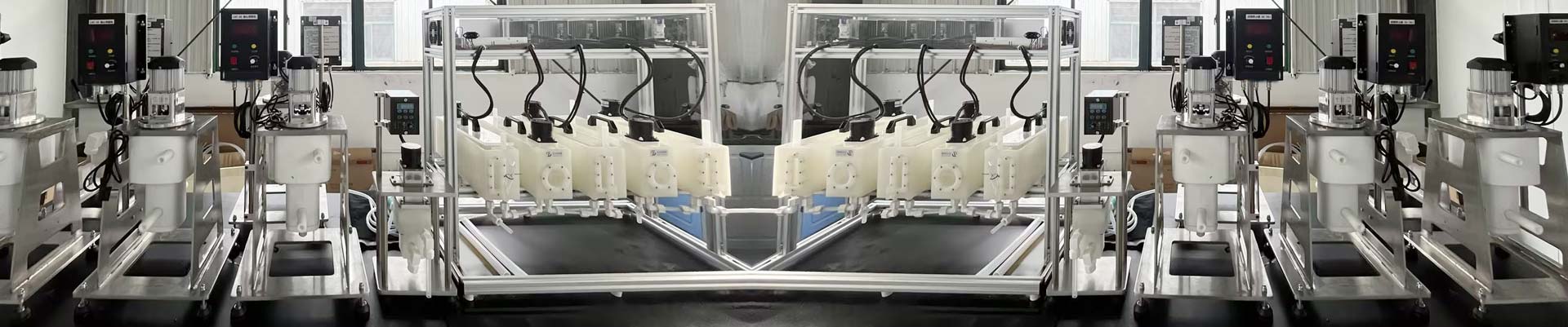
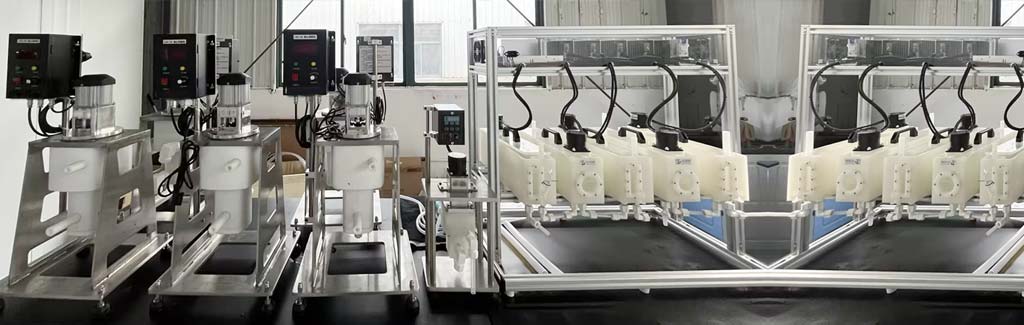
With the explosive growth of the new energy industry, the global demand for key metals such as cobalt, lithium, and nickel is soaring. As the mainstream technology for metal extraction, hydrometallurgy is facing four major pain points: low efficiency, high energy consumption, great pressure to meet environmental standards, and insufficient adaptability to complex raw material processing. Data shows that the total recovery rate of traditional mixer-settlers when processing low-concentration cobalt solution (<1g/L) is often less than 85%, the lithium loss in lithium precipitation mother liquor is as high as 50-80kg/ton, and the treatment cost of 30-50 tons of wastewater generated from wet recovery of each ton of batteries accounts for more than 30% of the total cost. In addition, the decommissioned power battery capacity in China reached 820,000 tons in 2025, and the proportion of complex raw materials such as low-grade ores and waste lithium batteries is increasing year by year. Traditional mixer-settler equipment is difficult to cope with extreme working conditions such as high-viscosity pulp and high magnesium-lithium ratio. Combining practical experience in industrial hydrometallurgy, this article systematically elaborates on the core application scenarios of mixer-settlers, deeply analyzes the key factors affecting extraction efficiency, and proposes implementable strategies to improve efficiency, providing practical reference for the industry to solve technical bottlenecks and achieve green and efficient production.
As the core equipment for liquid-liquid separation in hydrometallurgy, mixer-settlers are widely used in the extraction and purification of copper, zinc, rare earths, and new energy metals (cobalt, lithium, nickel) due to their advantages of simple structure, stable operation, low maintenance cost, and adaptability to large-scale industrial production. The core application scenarios focus on three directions: "low-concentration resource recovery, complex raw material processing, and environmental compliance and emission reduction", with different application priorities and technical requirements for each scenario.
As core raw materials in the new energy battery and aerospace fields, nickel and cobalt have extremely high requirements for separation accuracy and recovery rate in their extraction process, and mixer-settlers are the core key equipment in this field. In the leachate of traditional laterite ore and nickel-cobalt concentrate, the concentration of nickel and cobalt fluctuates greatly and is accompanied by a large number of impurity ions. The mixer-settler achieves efficient separation of nickel-cobalt from impurities through the core process of "mixing-mass transfer-phase separation". For example, Jinchuan Nickel-Cobalt Concentrator originally used ordinary mixer-settlers to process laterite ore leachate. Due to high pulp viscosity and small density difference between the two phases, the cobalt recovery rate was only 78%. After introducing a new structure mixer-settler, by optimizing the mixing and phase separation design, the daily processing capacity increased from 200m³ to 800m³, the cobalt recovery rate increased to 96.5%, the cobalt content in wastewater decreased from 0.15g/L to 0.008g/L, and the annual environmental protection treatment cost was saved by more than 5 million yuan.
China is rich in salt lake lithium resources, but most salt lakes have the characteristics of high magnesium-lithium ratio (Mg/Li > 20). The traditional evaporation crystallization process has high energy consumption and low lithium recovery rate, and the application of mixer-settler technology has effectively solved this problem. In the Qinghai salt lake lithium extraction project, the CC series mixer-settler with N523-TBP-sulfonated kerosene extraction system was adopted, with a single-stage extraction rate of 85% and a total recovery rate of more than 95% after five-stage series connection; for the lithium云母 leaching mother liquor, the pH was pre-adjusted to 10-12 through the mixer-settler to form stable hydroxyl complexes of lithium ions. After three-stage extraction and two-stage stripping process, the lithium recovery rate increased from 75% of the traditional process to 96%, and the lithium concentration in the stripping solution directly met the requirements of the lithium precipitation process, while extending the operation cycle of the subsequent evaporation equipment.
With the surge in the number of decommissioned power batteries, hydrometallurgy has become the mainstream path for the resource utilization of decommissioned batteries, and mixer-settlers play a core role in wastewater purification and multi-metal separation. Guangdong Guanghua Technology adopted a new type of mixer-settler combined with TBP-FeCl₃ synergistic extraction system (adding 5% Cyanex923) to extract battery-grade lithium carbonate from nickel-cobalt-manganese-containing wastewater, with impurity content <10ppm, alkali consumption reduced from 1.2t NaOH/t Li₂CO₃ in the traditional process to 0.7t/t, and the environmental treatment cost of raffinate reduced from 50 yuan/m³ to only 1 yuan/m³; an enterprise achieved battery-grade purity indicators of 99.6% for nickel-cobalt-manganese recovery rate and 93.8% for lithium recovery rate through the "mixer-settler-centrifuge" combined process, providing an economically feasible technical path for the resource utilization of decommissioned power batteries.
Rare earth elements have similar properties and are difficult to separate. Mixer-settlers have become the core equipment for rare earth separation due to their advantage of step-by-step contact separation. In a Jiangxi rare earth project, 30-stage series mixer-settlers were used to process neodymium-iron-boron scrap leachate. By optimizing the extractant ratio and process parameters, the praseodymium-neodymium separation coefficient reached 1.8, and the product purity reached 99.99%, realizing precise separation and efficient recovery of rare earth elements. Compared with the traditional separation process, the energy consumption was reduced by more than 30%.
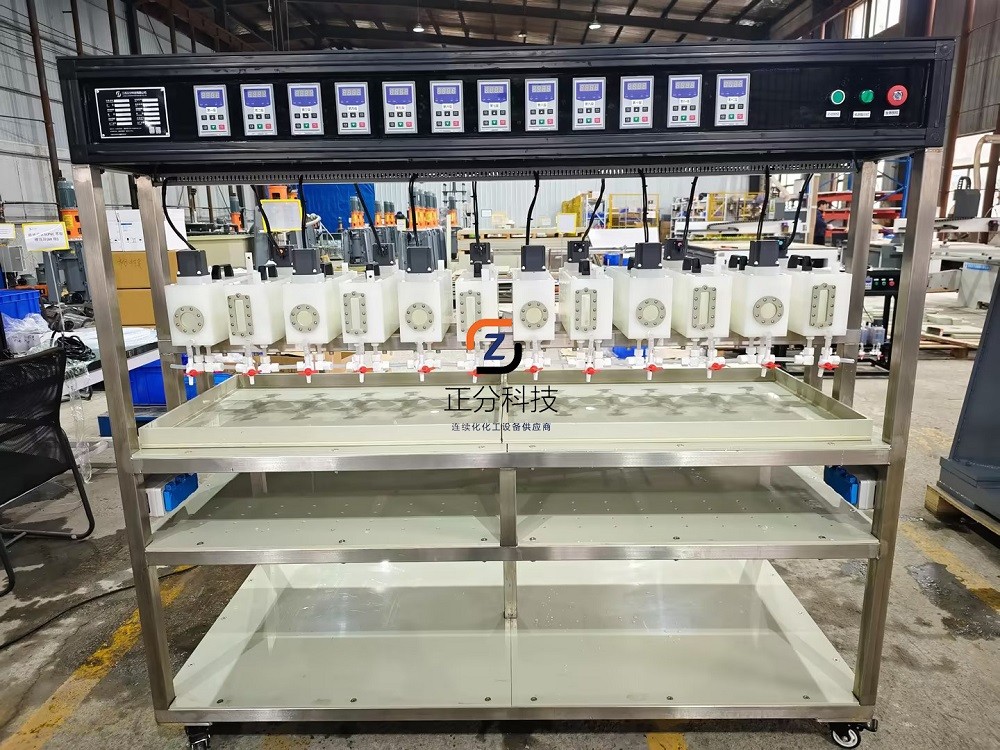
The extraction efficiency of the mixer-settler is not determined by a single factor, but is jointly affected by equipment structure, process parameters, material properties, operation and management, etc. Combining common problems in industrial production, the core influencing factors can be decomposed into the following 4 points, which are also the key bottlenecks that the industry needs to break through to improve efficiency.
The core structure of the mixer-settler includes a mixing chamber, a settling chamber, a stirring system, and a flow guiding device. The rationality of the structure design directly determines the mass transfer efficiency and phase separation effect. Traditional mixer-settlers generally have three major structural defects: first, the stirring intensity of the mixing chamber is not adjustable; insufficient stirring leads to insufficient contact between the two phases and low mass transfer efficiency, while excessive stirring forms a stable emulsion, which is difficult to separate and increases solvent loss; second, the volume ratio of the settling chamber is insufficient (less than 60%), and the residence time of the mixed liquid is insufficient, leading to incomplete separation of the two phases and phase entrainment; third, the design of the liquid inlet is unreasonable, resulting in low pre-mixing efficiency of the two phases, especially in high-suspension systems, which is prone to uneven mixing, equipment scaling and other problems, further reducing extraction efficiency.
In the hydrometallurgy extraction process, the precise regulation of process parameters is the core of improving efficiency, among which the two-phase flow ratio, extraction temperature, pH value, and residence time are the four most critical parameters. In actual production, most enterprises have the problem of extensive parameter regulation: for example, the two-phase flow ratio is not adjusted according to the fluctuation of raw material composition, leading to insufficient mixing uniformity; the extraction temperature deviates from the optimal range (usually 25-35℃), too low temperature slows down the mass transfer rate, and too high temperature causes the extractant to decompose easily and increases the solvent evaporation; the pH value regulation is not precise, which cannot promote the coordination reaction between target metal ions and extractant, leading to a decrease in mass transfer efficiency; the material residence time is insufficient, the mass transfer process does not reach equilibrium, or the residence time is too long, increasing energy consumption and production cost.
Extractant is the core to realize the selective separation of target metal ions. Its selection, ratio and regeneration effect directly affect the extraction efficiency and production cost of the mixer-settler. Common industry pain points include: first, the selection of extractant is not matched with the target metal, with poor selectivity, leading to impurity ions being extracted together, increasing the subsequent washing and stripping load; second, the extractant ratio is extensive, and the ratio is not optimized according to the raw material concentration and impurity content, leading to insufficient extraction capacity and low single-stage extraction efficiency; third, the extractant regeneration is not thorough, the activity decreases after repeated use, the solvent loss increases (the solvent evaporation loss in the traditional process reaches 15%-20%), and the extraction efficiency is reduced at the same time.
The quality of material pretreatment and the level of operation and management are the basis for ensuring the stable and efficient operation of the mixer-settler. On the one hand, if the raw material leachate contains a large number of suspended solids, impurity ions, or high viscosity, it will lead to uneven mixing and serious scaling of the mixer-settler, block the flow guiding device, and affect the mass transfer and phase separation efficiency; on the other hand, non-standard operation and management, such as excessive fluctuation of feed flow, untimely adjustment of stirring speed, and untimely equipment maintenance, will lead to unstable extraction process, emulsification, phase entrainment and other problems, further reducing extraction efficiency and increasing production cost.
Combining the above influencing factors and practical experience in industrialization, improving the extraction efficiency of the mixer-settler needs to follow the four principles of "structural optimization, precise parameters, reagent adaptation, and standardized management", specifically solve industry pain points, and achieve the triple improvement of efficiency, cost, and environmental protection. The specific strategies are as follows.
Structural optimization is the core breakthrough to improve extraction efficiency. It is necessary to carry out targeted transformation around "strengthening mixing, stabilizing phase separation, and adapting to complex working conditions", and optimize the design according to different application scenarios:
1. Mixing Chamber Structure Optimization: Adopt a reduced-diameter liquid inlet and a conical flow guide design to increase the pre-mixing efficiency of the two phases by more than 30%, solving the problem of uneven mixing in high-suspension systems; equip with an adjustable speed stirring system, dynamically adjust the stirring intensity according to the material viscosity and concentration, control the stirring power density at 0.5~2kW/m³, balance "sufficient mixing" and "avoiding emulsification", and select a stirring paddle suitable for the material characteristics - a propeller stirring paddle for high-viscosity materials and a large-diameter turbine stirring paddle for materials containing solid particles.
2. Settling Chamber Structure Optimization: Expand the volume ratio of the settling chamber to 60%-80% to ensure sufficient settling time for the mixed liquid; set a flow guide baffle between the mixing chamber and the settling chamber to guide the mixed liquid into the settling area stably, avoiding the turbulence in the mixing area affecting the phase separation effect; for systems with small density difference, adopt a 15° inclined plate design to reduce the backmixing probability to less than 0.3%, strengthen the phase separation effect, and reduce phase entrainment.
3. Material and Modular Optimization: Select suitable materials according to the corrosiveness of the material. 304 and 316L stainless steel are used for ordinary working conditions, and polypropylene (PP), polytetrafluoroethylene (PTFE) or steel-based spray molding materials are used for strong corrosion working conditions (acid-containing and chlorine-containing systems). The steel-based spray molding mixer-settler adopted in the Qinghai salt lake project has a continuous operation life of more than 8000 hours and a maintenance cost reduced by 40%; adopt a modular design, with a snap-on connection between stages, and a single-stage module can be replaced within 2 hours, supporting dynamic optimization of stage distribution according to the fluctuation of raw material composition.
The precise regulation of process parameters needs to combine the raw material characteristics and production needs, establish a dynamic regulation mechanism, and avoid extensive operation. The specific points are as follows:
1. Two-Phase Flow Ratio Regulation: According to the target metal concentration and extractant capacity, precisely control the flow ratio of organic phase to aqueous phase (R=Qo/Qv) to ensure mixing uniformity and mass transfer efficiency. For example, in the lithium preferential extraction section, control the flow ratio to make the extractant in a saturated extraction state and improve the single-stage extraction rate.
2. Temperature and pH Value Regulation: Stabilize the extraction temperature at 25-35℃, and a constant temperature device can be set to avoid temperature fluctuation affecting the mass transfer rate; according to the characteristics of target metal ions, precisely regulate the pH value of the aqueous phase. For example, when extracting cobalt, control the pH value at 5.5-6.2 to promote the coordination reaction between cobalt ions and extractant, improve the mass transfer efficiency, and inhibit the extraction of impurity ions.
3. Residence Time Regulation: According to the mass transfer equilibrium time, reasonably adjust the residence time of the material in the mixer-settler to ensure that the mass transfer process reaches equilibrium. Generally, the single-stage residence time is controlled at 8-15 minutes to avoid low recovery rate due to insufficient residence time or increased energy consumption due to too long residence time.
4. Multi-Stage Series Optimization: Adopt a 3-30 stage series multi-stage countercurrent extraction process. Through the reverse flow of the two phases, the recovery rate of target substances is greatly improved. A Qinghai salt lake project adopted 6-stage series mixer-settlers, increasing the lithium recovery rate from 65% to 96%, and a Zhejiang battery recycling enterprise adopted a 30-stage series system, making the lithium extraction rate reach 99.2%.
The optimization of extractant is the key to improving the extraction efficiency of the mixer-settler and reducing costs, which needs to achieve "suitable selection, precise ratio, and efficient regeneration":
1. Precise Selection: According to the characteristics of target metal ions and raw material systems, select extractants with high selectivity and stability. For example, 2-ethylhexyl salicylic acid (ES) and trialkylphosphine oxide (TRPO) mixed extraction system are used for lithium extraction, making the lithium-sodium separation coefficient exceed 1000; P507-kerosene system is used for cobalt-nickel extraction to improve the cobalt-nickel separation accuracy.
2. Optimization of Ratio: According to the raw material concentration and impurity content, dynamically optimize the extractant ratio and saponification degree. For example, in the lithium extraction section, the saponification degree of the P507-kerosene system is controlled at 60% to achieve a lithium extraction rate of 99.2%; add an appropriate amount of synergist (such as Cyanex923) to improve the extraction capacity and selectivity of the extractant and reduce the amount of extractant used.
3. Efficient Regeneration: Establish a closed-loop extractant regeneration system, use 3mol/L sulfuric acid solution to strip the loaded organic phase, so that the recycling rate of the extractant reaches more than 98%; remove impurities in the regeneration process through filtration, distillation and other processes to restore the activity of the extractant, reduce the solvent evaporation loss from 15%-20% to less than 2%, and reduce production costs.
Doing a good job in material pretreatment and operation management can effectively avoid problems such as equipment scaling and emulsification, and ensure the long-term stable and efficient operation of the mixer-settler:
1. Material Pretreatment: Filter and clarify the leachate to remove suspended solids and large particles, reduce material viscosity; remove interfering impurity ions in the leachate by adjusting pH value and adding precipitants to reduce extractant loss and improve extraction efficiency. For example, remove iron, aluminum and other impurities in the leachate before nickel-cobalt extraction.
2. Standardized Operation and Management: Establish standardized operating procedures to stabilize the feed flow and avoid uneven mixing caused by flow fluctuations; arrange professional personnel to regularly check the equipment operation status, timely clean the scaling on the stirring paddle and flow guiding device, and regularly maintain the stirring system and sealing device to avoid equipment failure affecting production; build an intelligent control system to real-time monitor parameters such as pH value, flow rate, and temperature, realize automatic control, reduce human operation errors, and improve production stability.
Through the implementation of the above strategies, many industrial projects have achieved significant improvement in the extraction efficiency of mixer-settlers, while reducing production costs and environmental pressure: after introducing a new type of mixer-settler system, a Zhejiang battery recycling enterprise shortened the single-stage separation time from 8 hours to 8 minutes, increased the annual equipment processing capacity by 300%, reduced solvent consumption by 45%, and saved more than 27 million yuan in annual solvent procurement costs; through the technical upgrading of mixer-settlers, the Qinghai salt lake project controlled the ton processing cost within 80 yuan, the lithium recovery rate was stably above 95%, and the cobalt residue in wastewater was far lower than the environmental protection discharge standard.
In the future, with the in-depth advancement of the circular economy of resources and the continuous upgrading of hydrometallurgy technology, mixer-settler technology will develop in the direction of intelligence, high efficiency, and multi-functionality: on the one hand, it will be equipped with digital twin and AI control technology to build a full-link traceability system of "equipment-process-supervision", realize automatic optimization of stirring intensity and parameter regulation, and improve production stability; on the other hand, promote the coupling of mixer-settler with membrane separation and electrochemical deposition technology to form a "extraction-refining-resource utilization" zero-emission system, further improving resource utilization rate; at the same time, the innovation of new extractants and equipment materials will continue to break through the technical bottlenecks of complex raw material processing, providing core support for the green and low-carbon transformation of the hydrometallurgy industry.
As the core equipment of hydrometallurgy, the extraction efficiency of the mixer-settler directly determines the metal recovery rate, production cost and environmental protection compliance level. Solving the pain points such as low efficiency and insufficient adaptability is the key for the hydrometallurgy industry to achieve high-quality development. By optimizing the equipment structure, precisely regulating the process parameters, adapting the extractant selection and regeneration, and strengthening the operation management, the extraction efficiency of the mixer-settler can be effectively improved, and the production goal of "high efficiency, energy saving, environmental protection and low cost" can be achieved. In the future, it is necessary to continuously promote technological innovation and process optimization in combination with the personalized needs of different application scenarios, so that the mixer-settler technology can play a greater role in hydrometallurgy, resource recovery and other fields, and help the coordinated development of the new energy industry and the circular economy of resources.
Focus on being Continuous chemical equipment
provider.
If you want to learn more about our centrifugal extractor, mixer settler, Contact us Now