
Continuous chemical equipment
provider
provider
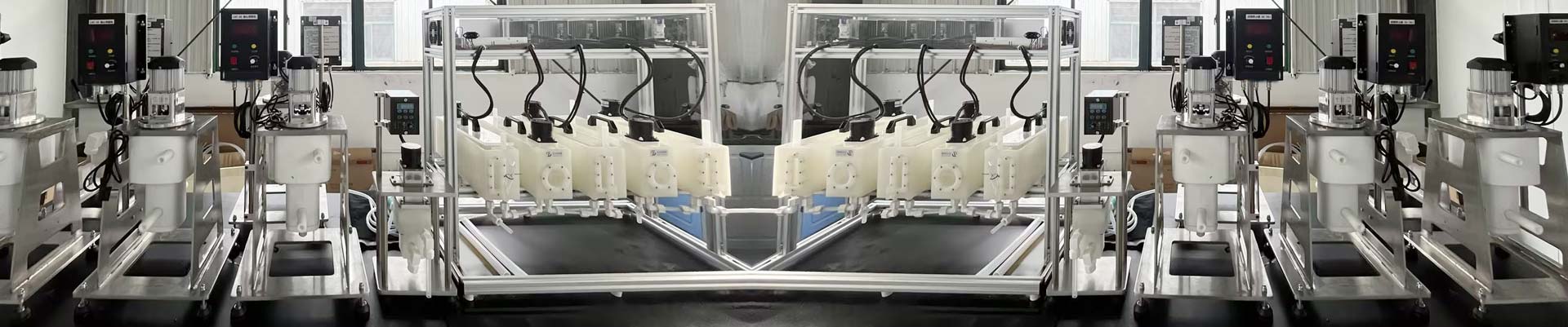
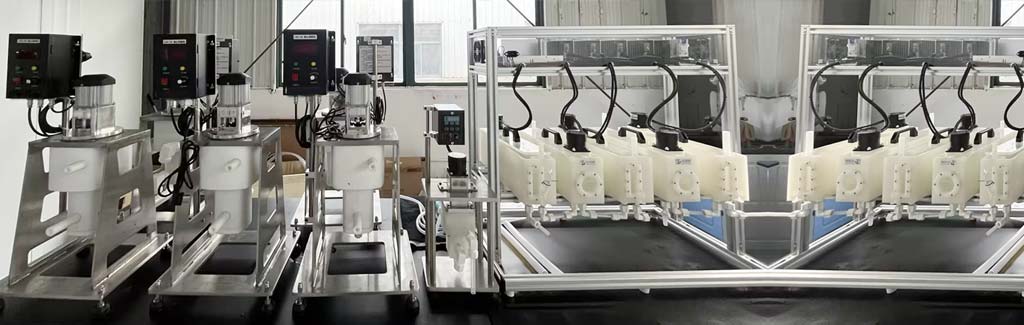
With the large-scale development of industries such as fine chemical industry, electroplating processing, and electronic etching, the massive amount of copper nitrate wastewater generated during production has become a core challenge for enterprises in environmental protection treatment and resource recovery. Traditional copper nitrate wastewater treatment mainly adopts neutralization precipitation, coagulation and flocculation methods, which can only achieve up-to-standard discharge of wastewater. This not only leads to the massive loss of copper metal resources but also produces a large amount of hazardous waste sludge, increasing the subsequent disposal costs and environmental pressure. At the same time, conventional recovery processes have shortcomings such as low copper recovery rate, insufficient purification purity, poor process stability, and high operation and maintenance costs, making it difficult to balance the dual needs of environmental compliance and resource recycling. Against this industry background, mixer-settlers are widely used in the field of copper extraction from copper nitrate wastewater due to their advantages of stable structure, high extraction and separation efficiency, strong adaptability, and continuous operation. Through a standardized process flow, they realize efficient enrichment, separation and purification of copper ions in wastewater, which not only solves the problem of wastewater environmental treatment but also completes the recycling of valuable metals, providing reliable technical support for industrial enterprises to reduce costs, increase efficiency and achieve green production.
The composition of industrial copper nitrate wastewater is relatively stable, mainly containing nitrate ions and copper ions as the main pollutants, along with a small amount of heavy metal impurities, suspended particles and trace organic acids. The wastewater is mostly acidic, which provides good basic conditions for extraction and separation. If such wastewater is directly discharged, it will cause heavy metal exceeding the standard in water bodies and damage the ecological environment; if simply treated by precipitation, copper resources cannot be effectively recovered, resulting in serious waste of economic value.
Compared with traditional copper extraction methods such as precipitation and electrolysis, the application of mixer-settlers in copper extraction from copper nitrate wastewater has significant advantages. The overall structure of the equipment is reasonably designed, which can realize full mixing and clarification separation of two-phase liquids with excellent single extraction and enrichment effect; it can adapt to copper nitrate wastewater in different concentration ranges, and both high-concentration stock solution and low-concentration tail water can be stably treated; the entire process can realize automatic continuous operation, with simple operation, less manual intervention and small later maintenance workload; the copper recovery rate is high, and the produced copper material has high purity, which can be directly reused in industrial production, truly realizing the goals of wastewater resource utilization, reduction and harmless treatment.
Pretreatment is a key front-end link to ensure the stable operation of the mixer-settler and improve the copper extraction efficiency. Its purpose is to remove interfering impurities in wastewater, optimize water quality conditions, and lay a good foundation for subsequent extraction and separation. First, wastewater grid filtration and sedimentation treatment are carried out. Suspended impurities, particles and mechanical debris in the wastewater are intercepted through multi-stage filtration devices to avoid impurities entering the mixer-settler and causing channel blockage and equipment wear. Then, the pH value of the wastewater is adjusted. According to the adaptation standard of extraction reagents, the pH value of the copper nitrate wastewater is adjusted to the appropriate process range to ensure that copper ions are in a stable free state and improve the subsequent extraction combination efficiency. After water quality adjustment, homogenization treatment is carried out. Copper nitrate wastewater from different periods and concentrations is collected into the adjustment tank for mixing and balancing to stabilize the water quality and quantity of the wastewater, avoid the impact of concentration fluctuations on the operation stability of the mixer-settler, and ensure the smooth progress of the subsequent process flow.
The pretreated copper nitrate wastewater is sent to the mixer-settler to enter the core extraction operation link. Relying on the integrated mixing and clarification structure of the mixer-settler, the transfer and separation of copper ions from the aqueous phase to the organic phase are completed. Inside the mixer-settler, a special stirring mechanism is used to fully contact and mix the aqueous phase of copper nitrate wastewater with the customized extraction organic phase. Using the selective complexation ability of the extractant for copper ions, the copper ions in the wastewater are accurately captured, allowing the copper ions to quickly transfer to the organic phase. After the mixing reaction is completed, the built-in clarification zone of the mixer-settler can realize natural stratification of the two phases: the upper layer is the organic phase loaded with copper ions, and the lower layer is the raffinate aqueous phase from which most of the copper ions have been removed. The entire process is completed in a closed manner inside the mixer-settler, with clear stratification effect and fast separation speed, without the need for additional sedimentation equipment, which shortens the floor space of the process flow. Multi-stage mixer-settlers can be operated in series to perform multiple extraction and enrichment of low-concentration copper nitrate wastewater, further improving the copper ion recovery rate and greatly reducing the copper content in the raffinate aqueous phase.
After the mixer-settler completes the extraction and enrichment of copper ions, the organic phase loaded with copper is sent to the stripping process to realize the stripping and enrichment of copper ions from the organic phase, providing raw materials for subsequent purification and finished product preparation. A special stripping agent is fully reacted with the loaded organic phase in supporting equipment to re-dissociate the complexed copper ions in the organic phase into the aqueous phase, forming a high-concentration copper nitrate enrichment solution. The enriched high-concentration copper nitrate solution has low impurity content and high purity, and can be directly used to prepare finished copper nitrate, electrolytic copper and other products through evaporation crystallization, electrolytic deposition and other processes, which can be reused in the production links of electroplating, chemical industry, electronics and other industries. The organic phase after stripping maintains stable performance and can be recycled to the mixer-settler for reuse, reducing reagent consumption costs and improving the overall economy of the process.
The raffinate aqueous phase separated by the mixer-settler has a significantly reduced copper ion content, and can meet the environmental protection discharge standard after advanced purification treatment. The raffinate wastewater undergoes simple processes such as neutralization fine-tuning, precision filtration and adsorption purification in turn to further remove residual trace heavy metals and impurities and stabilize various indicators of water quality. The treated wastewater can meet the industrial sewage discharge standard, and can either be directly discharged in compliance with regulations or reused in production line cleaning, cooling and other links, realizing the recycling of water resources. The entire process produces no secondary pollution and very little hazardous waste, which perfectly meets the requirements of industrial enterprises for environmental compliance and circular economy development.
The application of mixer-settlers in copper extraction from copper nitrate wastewater breaks the dilemma that traditional treatment processes are difficult to balance resource waste and environmental governance, and has both environmental and economic benefits. From an economic perspective, it efficiently recovers valuable copper metals from wastewater, creating additional income for enterprises, while reducing hazardous waste disposal costs, reagent and operation and maintenance costs; from an environmental perspective, it realizes advanced wastewater treatment and up-to-standard discharge, reduces heavy metal water pollution, and helps enterprises complete environmental acceptance and green production upgrading.
At present, industrial environmental protection supervision is becoming increasingly strict, and resource recycling has become the mainstream trend of industry development. With the characteristics of high efficiency, stability, energy saving and easy operation and maintenance, mixer-settlers have broad promotion space in industries producing copper nitrate wastewater such as electroplating, electronics and fine chemical industry. With the continuous optimization of equipment structure and process flow, mixer-settlers will further improve the copper extraction efficiency and automation level, and become the core mainstream equipment in the field of industrial heavy metal wastewater resource recovery.
Focus on being Continuous chemical equipment
provider.
If you want to learn more about our centrifugal extractor, mixer settler, Contact us Now