
Continuous chemical equipment
provider
provider
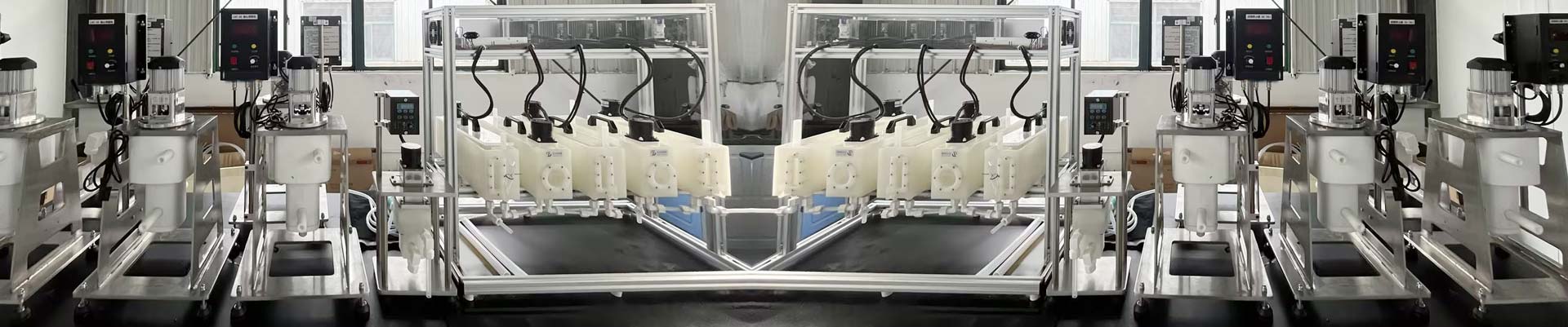
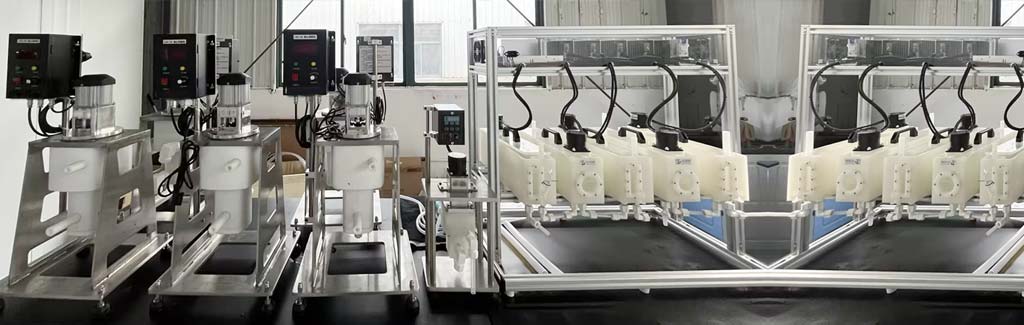
In many industries such as fine chemicals, pharmaceutical intermediates, new energy materials, and hydrometallurgy, traditional reactors have long dominated the entire process of material mixing, reaction, and separation with batch operation. However, their pain points such as low efficiency, high energy consumption, unstable product quality, and prominent safety and environmental hazards have been difficult to meet the core needs of modern continuous and intelligent production. Centrifugal extractors, relying on the core technical advantages of high-speed centrifugal enhanced mass transfer, continuous feeding and discharging, and closed operation, have gradually replaced the batch process of traditional reactors. Through process reconstruction, they realize the continuous upgrading of the entire production process, which not only solves the bottleneck of industrial development, but also promotes the triple improvement of production efficiency, product quality and comprehensive benefits, becoming the best choice for industrial process upgrading. This article will detailedly analyze the fundamental reasons why centrifugal extractors replace reactors to achieve continuous production from core dimensions such as industry pain points, technical adaptation, cost control, safety and environmental protection.
As the core equipment in industrial production, the batch operation mode of "feeding-reaction-discharging" of traditional reactors has gradually become a "stumbling block" restricting the development of enterprises under the current situation of capacity expansion, intensified cost competition and upgraded safety and environmental protection requirements. The specific pain points are mainly reflected in four aspects.
First of all, low production efficiency and limited capacity release. The batch operation of reactors requires frequent start-up and shutdown of equipment. Each batch of production needs to go through multiple links such as feeding, stirring and mixing, standing and layering, discharging, and cleaning. The proportion of effective reaction time is less than 50%, and a lot of time is wasted in non-production links. For example, in a pesticide intermediate production line, the single batch processing time using traditional reactors is 4 hours, and the annual output is only 300 tons, which is difficult to meet the demand of large-scale production. Under the same processing capacity, continuous equipment can operate 24 hours a day, and the capacity improvement effect is significant.
Secondly, unstable product quality and obvious batch differences. The mass transfer of mixing in reactors relies on stirring devices, which are greatly affected by manual operation. The problems of uneven material mixing and incomplete reaction are common, leading to large fluctuations in the purity and yield of products in different batches. In the production of pharmaceutical intermediates, when some enterprises use reactors for production, the product qualification rate is only 85%, which not only increases the rework cost, but also is difficult to meet the industry compliance requirements.
Thirdly, high energy consumption and material loss, and high operation cost. Reactors need frequent heating and cooling to maintain reaction conditions, the power of stirring motors is large, and energy consumption accounts for more than 30% of the operation cost; at the same time, there is much material residue in batch operation, the loss of catalysts and solvents is large, and the subsequent environmental protection treatment cost is high, which further compresses the profit space of enterprises.
Finally, prominent safety and environmental hazards, which are difficult to meet strict standards. Some reactors adopt open or semi-open operation, which is prone to problems such as leakage of harmful gases and material volatilization, which not only threatens the safety of operators, but also leads to excessive VOCs emissions; in addition, uneven material mixing and incomplete reaction will increase the amount of wastewater and pollutant concentration, which is difficult to meet the current strict environmental protection emission standards. Some enterprises even face the risk of production suspension and rectification due to failure to meet environmental protection standards.
The reason why centrifugal extractors can replace reactors to achieve continuous production lies in their enhanced mass transfer technology based on centrifugal force field, which is highly compatible with the core needs of continuous production. Their technical characteristics fundamentally solve the inherent pain points of reactors, which are specifically reflected in the following points.
Centrifugal extractors adopt continuous feeding and discharging design, which does not need batch cycle operation like reactors. Materials can achieve seamless connection from feeding, mixing mass transfer, reaction to separation and discharging, and can operate 24 hours a day. The proportion of effective reaction time is increased to more than 90%. Its core working principle is that the motor drives the drum to rotate at high speed, generating centrifugal force thousands of times that of gravity, so that two immiscible liquid materials with different densities can be quickly mixed for mass transfer and efficiently separated. The whole process is continuous and stable, which greatly improves production efficiency and avoids the loss caused by frequent start-up and shutdown of equipment. For example, the chlorination reaction that originally took more than 40 hours can be greatly shortened by using the continuous process of centrifugal extractors. The processing capacity of a single equipment is equivalent to 3-5 reactors of the same volume, helping enterprises quickly release production capacity.
Different from the mass transfer mode of reactors relying on stirring and mixing, centrifugal extractors use high-speed centrifugal force to quickly disperse and fully mix materials, reducing the droplet diameter to the micron level. The mass transfer efficiency is 3-5 times higher than that of reactors, and the reaction is more thorough. This enhanced mass transfer effect not only shortens the reaction cycle, but also effectively improves the product purity and yield, and reduces the generation of impurities. In the production of fluorine fine chemicals, the product purity can reach 99.9% after using centrifugal extractors, meeting the high standard requirements of electronic grade materials; in the salt lake lithium extraction project, the lithium extraction efficiency is increased by 30% and the metal recovery rate is over 95% through the multi-stage countercurrent centrifugal extraction process.
Centrifugal extractors can be integrated with PLC/DCS control systems, which can real-time monitor and accurately adjust more than 12 process parameters such as material feeding volume, drum speed, mixing intensity, and separation time. The abnormal response time is less than 1 second, and unmanned operation can be realized, completely avoiding manual operation errors. This standardized and automatic control mode ensures the quality stability of each batch of products, and the batch difference can be controlled within a very small range, perfectly solving the pain point of large product quality fluctuation in reactor production, especially suitable for industries with strict requirements on product consistency such as medicine and high-end chemicals.
Centrifugal extractors adopt a fully closed structure, and materials complete mixing, reaction and separation in a closed environment throughout the process, without leakage or volatilization, which effectively reduces the safety risk of dangerous medium leakage, and at the same time reduces VOCs emissions, conforming to the current environmental protection and safe production requirements. In addition, the online liquid holding capacity of the equipment is small. For example, the liquid holding capacity of the equipment with a processing capacity of 6m³/h is only about 35L, which greatly reduces the online material volume in the workshop and further improves production safety. In high-risk processes such as chlorination and fluorination, this closed design can effectively avoid the leakage of harmful gases such as chlorine and HF, which not only protects the safety of operators, but also reduces the environmental protection treatment cost.
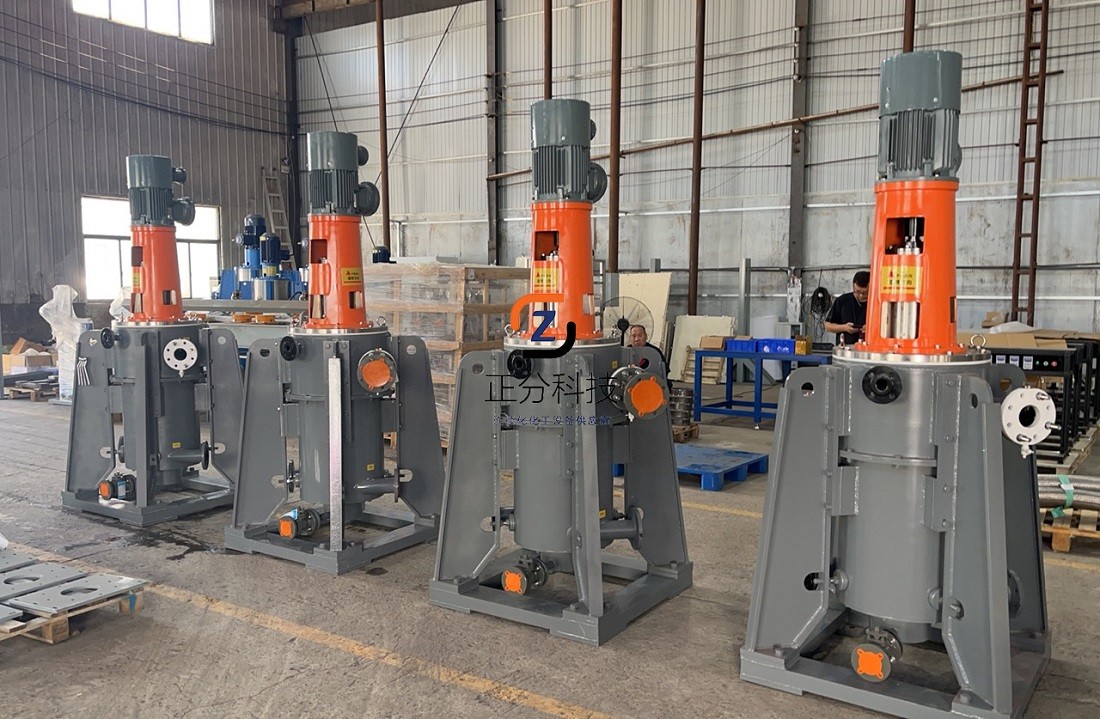
One of the core driving forces for enterprises to choose centrifugal extractors instead of reactors is that they can significantly reduce operation costs and improve comprehensive benefits. In the long run, their life-cycle cost advantage is far higher than that of traditional reactors, which is specifically reflected in three aspects.
First, the effect of energy saving and consumption reduction is prominent. Centrifugal extractors do not need frequent heating and cooling, with small equipment power and low energy consumption, saving 30%-50% energy compared with traditional reactors; some models of equipment even have less than 1/3 of the energy consumption of traditional reactors under the same processing capacity, which can save a lot of electricity expenses in long-term operation. After a fine chemical enterprise replaced 8 traditional reactors with centrifugal extractors, the annual energy consumption cost was saved by more than 3 million yuan.
Second, the material utilization rate is improved and the loss is reduced. The enhanced mass transfer effect of centrifugal extractors makes the material reaction more thorough, the utilization rate of materials such as solvents and catalysts is greatly improved, the solvent recycling rate can exceed 98%, and the solvent loss is reduced by 90%; at the same time, the equipment residue is small, which further reduces material waste and effectively reduces raw material costs. In the treatment of DMAC wastewater, centrifugal extractors can realize the recycling of extractants, greatly reducing solvent consumption and wastewater discharge.
Third, small floor space, reducing equipment investment and workshop costs. The single centrifugal extractor has strong processing capacity, and its floor space is only 1/3-1/5 of that of the combination of traditional reactors and intermediate tanks. The floor space of a single industrial-grade equipment is only about 2 square meters, which can greatly improve the space utilization rate of the workshop and reduce the investment in workshop expansion or transformation. In addition, the equipment has a high degree of automation, which can reduce manual on-duty positions, reduce labor costs, and further improve the profit space of enterprises.
The adaptability of centrifugal extractors is far better than that of traditional reactors. They can cover multiple industries such as fine chemicals, medicine, new energy, and hydrometallurgy, and can handle materials of different systems (including emulsifiable systems). They support various operation modes such as cross-flow extraction and countercurrent extraction, and can be used alone or in multi-stage series to achieve countercurrent extraction, meeting different process requirements.
In the pharmaceutical field, centrifugal extractors can quickly separate reaction liquids and reduce product degradation. For example, after using this equipment in azithromycin production, the purity is increased to 99.5% and the annual processing capacity is increased by 50%; in the new energy materials field, it can be used for the extraction of strategic metals such as lithium, rubidium, and cesium, stably handle low-concentration brine, and help the large-scale development of the new energy industry; in the environmental protection field, it can be used for the treatment of heavy metal-containing wastewater and organic pollutants, and the treatment efficiency is 3 times higher than that of traditional processes, helping enterprises achieve the "double carbon" goal.
In addition, centrifugal extractors have small scale-up effect, and the equipment models cover the full specifications of experimental, pilot and industrial types, which can accurately adapt to the entire scene of enterprises from process research and development to large-scale production. Experimental equipment can quickly complete the optimization of continuous processes, pilot equipment can verify the feasibility of processes, and industrial equipment can realize ten-thousand-ton-level continuous production, helping enterprises achieve a smooth transition from batch to continuous operation and reduce transformation risks.
At present, industries such as chemicals, medicine, and new energy are transforming towards high efficiency, greenization, and intelligence. Continuous production has become an inevitable choice for enterprises to break through development bottlenecks and enhance core competitiveness. The national environmental protection policies are becoming increasingly strict, putting higher requirements on enterprises' pollutant emissions and safe production. The batch operation of traditional reactors has been difficult to meet the policy requirements, while the continuous, closed and environmentally friendly characteristics of centrifugal extractors are exactly in line with the industry development trends.
At the same time, with the intensification of industry competition, enterprises have higher and higher requirements for production efficiency and product quality. The advantages of cost reduction, efficiency improvement and stable quality realized by centrifugal extractors through process reconstruction have become an important support for enterprises to cope with market competition. In addition, the penetration of intelligent technology enables centrifugal extractors to gradually realize AI algorithm optimization of parameter combinations, fault prediction and self-correction, further improving the stability and intelligence level of equipment operation, and promoting the development of continuous production to higher quality.
The replacement of reactors by centrifugal extractors for continuous production is not a simple equipment replacement, but a reconstruction based on process logic. Its core is to fundamentally solve the pain points of traditional reactors such as efficiency, quality, safety and environmental protection through "enhanced mass transfer + continuous operation". With core advantages such as continuous operation, high-efficiency mass transfer, precise control, energy conservation and environmental protection, and wide adaptability, centrifugal extractors not only meet the needs of large-scale and continuous production in multiple industries, but also help enterprises reduce operation costs and improve product competitiveness, conforming to the industry's green and intelligent development trends. In the future, with the continuous iteration and upgrading of technology, centrifugal extractors will be widely used in more industries, becoming the core equipment for continuous production and promoting the higher quality development of the industry.
Focus on being Continuous chemical equipment
provider.
If you want to learn more about our centrifugal extractor, mixer settler, Contact us Now